
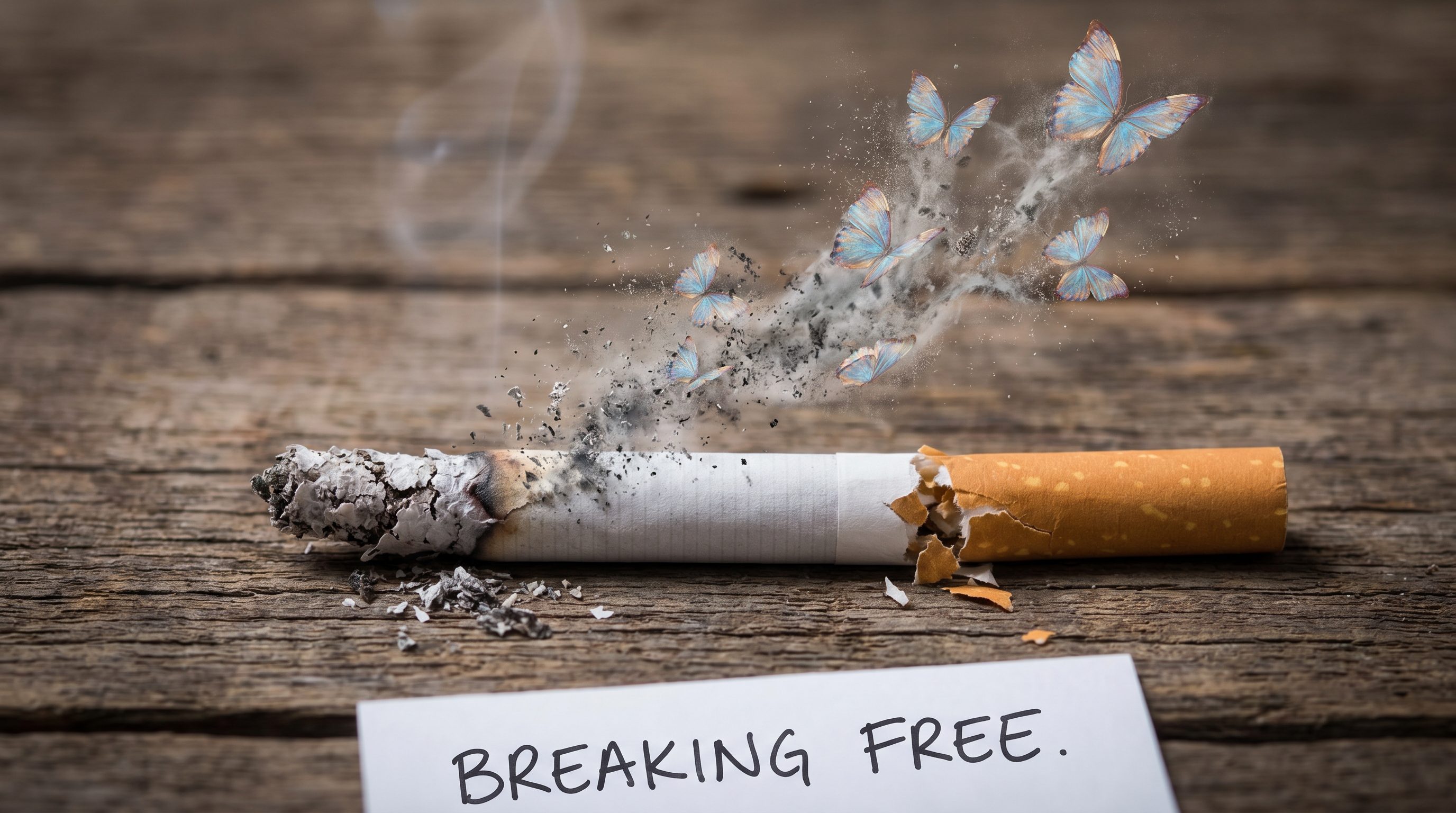



Understanding Your Journey
Quitting smoking is a journey that involves physical, psychological, and behavioral aspects. Nicotine addiction creates both physical dependence and mental habits that can be challenging to overcome. Understanding this complexity is essential because it helps you prepare for the challenges ahead and approach them with the right strategies and support.
The physical symptoms of nicotine withdrawal typically peak within the first few days after quitting and gradually diminish over the following weeks. These symptoms, while uncomfortable, are signs that your body is recovering from years of tobacco exposure. Common withdrawal symptoms include irritability, anxiety, difficulty concentrating, increased appetite, and strong cravings for cigarettes. Knowing what to expect can help you prepare coping strategies in advance.
Beyond the physical aspects, smoking is often tied to daily routines, social situations, and emotional coping mechanisms. Many smokers associate cigarettes with morning coffee, after meals, during stressful moments, or while socializing. Breaking these associations requires developing new habits and finding healthier alternatives. This is where behavioral strategies, support systems, and lifestyle changes become invaluable.
"Quitting smoking is the easiest thing in the world. I know because I've done it thousands of times." The real change comes when you decide this is the last time.
- Finding Your WhyBuilding Your Support System
No one should have to quit smoking alone. Building a strong support system significantly increases your chances of success. This might include family and friends who encourage your decision, support groups where you can connect with others facing similar challenges, healthcare providers who can offer medical assistance, and digital communities that provide round-the-clock encouragement.
Share your quit date with people who will support you. Let them know how they can help, whether it is simply listening when you need to talk, distracting you during cravings, or celebrating your milestones with you. Professional support in the form of counseling, nicotine replacement therapy, or medications can also dramatically improve your outcomes.
Remember that setbacks, while discouraging, are often part of the journey. If you slip and have a cigarette, do not view it as complete failure. Many successful non-smokers tried multiple times before permanently quitting. What matters is getting back on track immediately, learning from the experience, and reinforcing your commitment to a smoke-free life.